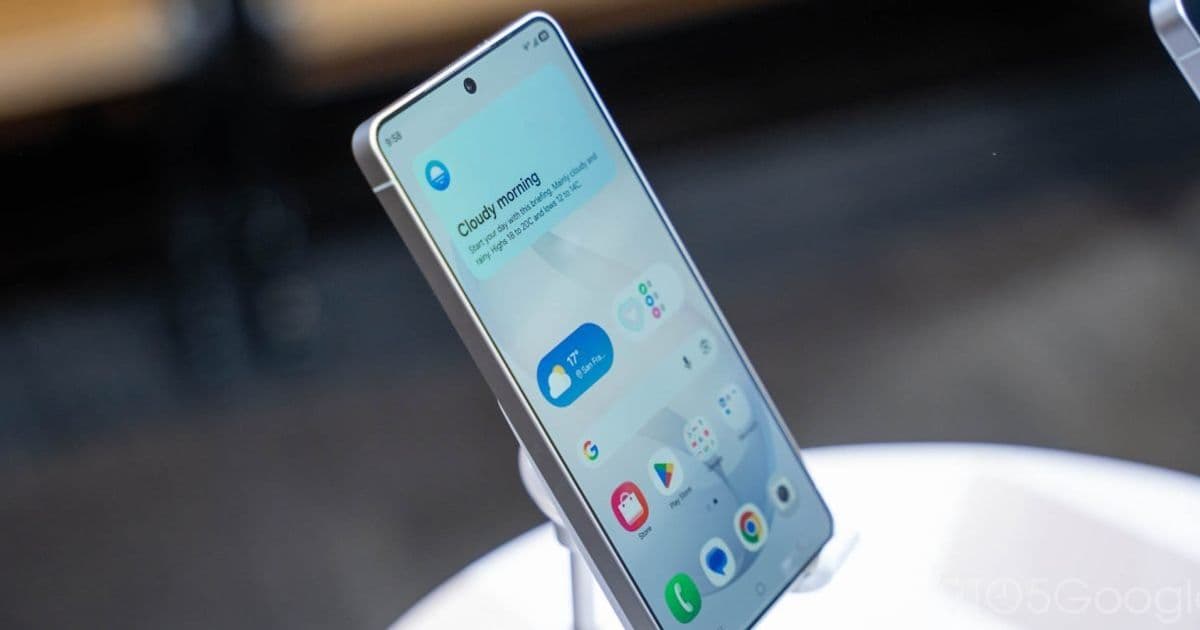
Samsung is removing several Android recovery menu options including sideloading capabilities in its latest One UI 8.5 update, raising security and user control concerns.
Samsung is making a significant change to Android's recovery menu in its latest One UI 8.5 update, removing several core tools that users have relied on for years. The update eliminates options like "Apply update from ADB," "Apply update from SD card," and "Wipe cache partition," leaving only basic functions like rebooting, factory reset, and powering off.
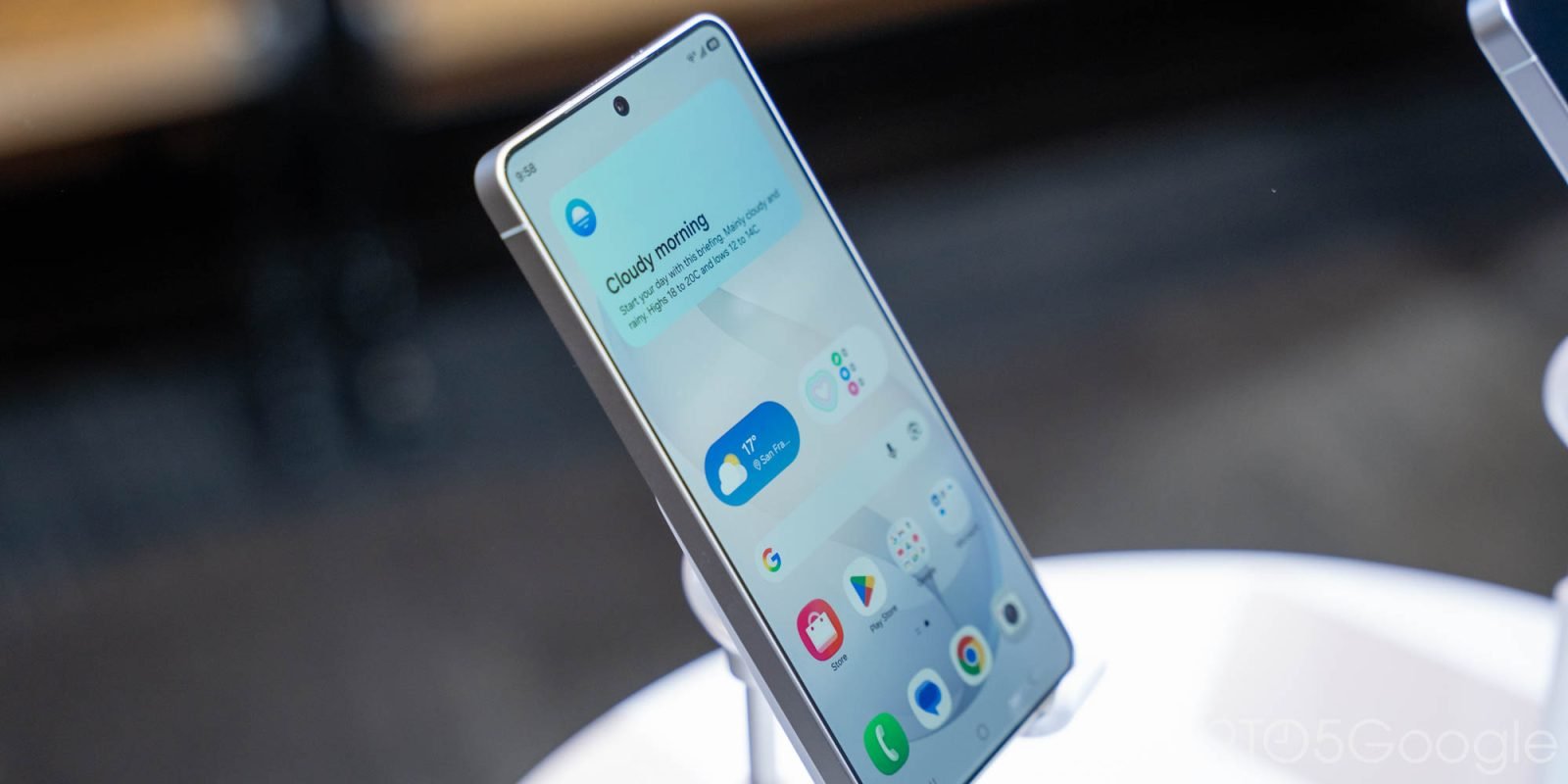
This change affects how users can manually install Android updates, particularly beta versions that Google releases for Pixel devices. The recovery menu has long been a standard feature across Android smartphones, providing essential tools for troubleshooting and system maintenance.
The removed options include:
- Apply update from ADB
- Apply update from SD card
- Wipe cache partition
- View recovery logs
- Run graphics test
- Run locale test
Currently, the recovery tools remain intact on devices running the January 2026 security patch, including the Galaxy S26 Ultra. However, GalaxyClub reports that this change is being rolled out with February 2026 security updates, suggesting a widespread deployment is imminent.

What makes this change particularly notable is Samsung's accompanying notice that users "will not be able to downgrade to the old software due to changes in security policy." This suggests the company views this as a permanent shift in how its devices handle system updates and recovery operations.
The motivation behind this decision remains unclear. Industry speculation points to enhanced security measures, especially given recent reports of Samsung taking legal action against One UI build leakers. By restricting sideloading capabilities through the recovery menu, Samsung could be attempting to close potential security vulnerabilities or prevent unauthorized software modifications.
For users who frequently sideload updates or use recovery tools for troubleshooting, this change represents a significant reduction in device control. The ability to wipe cache partitions, view recovery logs, and run diagnostic tests has been valuable for both advanced users and those seeking to resolve system issues without factory resets.
This move aligns with a broader industry trend toward more locked-down mobile operating systems, though it represents one of the more aggressive steps taken by a major Android manufacturer. While Apple has long maintained strict control over iOS updates, Android's open nature has traditionally allowed for greater user flexibility in managing system software.
The timing is particularly interesting as it coincides with the launch of Samsung's Galaxy S26 series, which is currently available for pre-order with various promotional offers including boosted trade-in values and additional credits for purchases made through specific channels.
As this change rolls out, users will need to adapt to new methods for managing system updates and troubleshooting their devices. Whether this represents a necessary security enhancement or an overreach into user control remains a topic of debate within the Android community.
Comments
Please log in or register to join the discussion