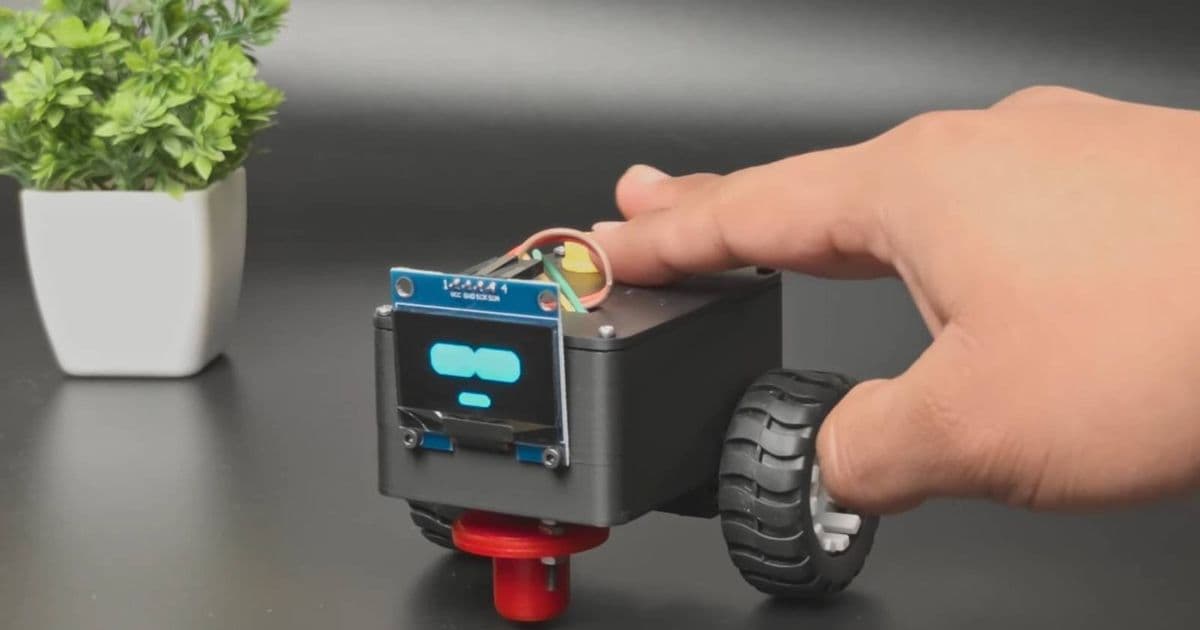
A hobbyist-built ESP32-powered robot pet uses capacitive touch sensors and persistent behavior to demand attention from its owner.
If you've ever wished for a pet that combines the charm of a real animal with the convenience of a desk toy, this ESP32-powered robot might be exactly what you need. Created by a hobbyist electronics enthusiast, this adorable little robot sits on your desk and uses a clever combination of sensors and persistent behavior to make sure it gets the attention it craves.
How It Works
The robot's core functionality revolves around an ESP32 microcontroller, which handles all the sensing and decision-making. At its heart is a capacitive touch sensor that detects when someone pets or touches the robot's body. When left alone for too long, the robot enters an "attention-seeking" mode, using small motors or servos to create subtle movements that are just annoying enough to catch your eye.
What makes this robot particularly charming is its persistence. Unlike simple toys that might just blink or make a sound once, this creation will continue its attention-seeking behavior until it receives physical interaction. The capacitive sensor is sensitive enough to detect light touches, so even a brief pet is enough to satisfy its demands.
The ESP32's Wi-Fi capabilities also allow for potential remote monitoring or control, though the creator focused primarily on the autonomous attention-seeking behavior for this build.
The Technology Behind the Charm
Building this robot requires several key components:
- ESP32 microcontroller: Provides processing power and Wi-Fi connectivity
- Capacitive touch sensor: Detects when the robot is being touched or petted
- Small motors/servos: Create the attention-seeking movements
- Battery power: Allows for untethered operation on your desk
- 3D-printed or crafted body: Gives the robot its adorable appearance
The code running on the ESP32 likely implements a simple state machine: idle when recently petted, gradually increasing attention-seeking behavior when neglected, and returning to idle once interaction is detected.
Why It Matters
Projects like this demonstrate how accessible robotics and interactive electronics have become. With components like the ESP32 being relatively inexpensive and well-documented, hobbyists can create sophisticated interactive devices without requiring advanced engineering knowledge.
The robot also touches on interesting questions about human-robot interaction. By creating a device that demands attention in ways similar to real pets, the creator has tapped into our natural responses to needy creatures. The persistence of the robot's behavior makes it feel more "alive" and creates a genuine emotional response from users.
Building Your Own
For those interested in creating their own attention-seeking desk robot, the project would be an excellent introduction to working with ESP32 microcontrollers and basic robotics. The capacitive touch sensing is straightforward to implement, and the movement mechanisms can be as simple or complex as desired.
Key considerations for a similar project would include battery life (since the robot needs to run for extended periods), the subtlety of the attention-seeking movements (too aggressive and it becomes annoying rather than charming), and the sensitivity of the touch sensor.
This kind of project represents the perfect blend of technology and personality that makes hobby electronics so rewarding. It's not just about building something that works—it's about creating something that connects with people on an emotional level, even if that connection is based on the simple joy of having a cute robot demand your attention until you give it a pet.
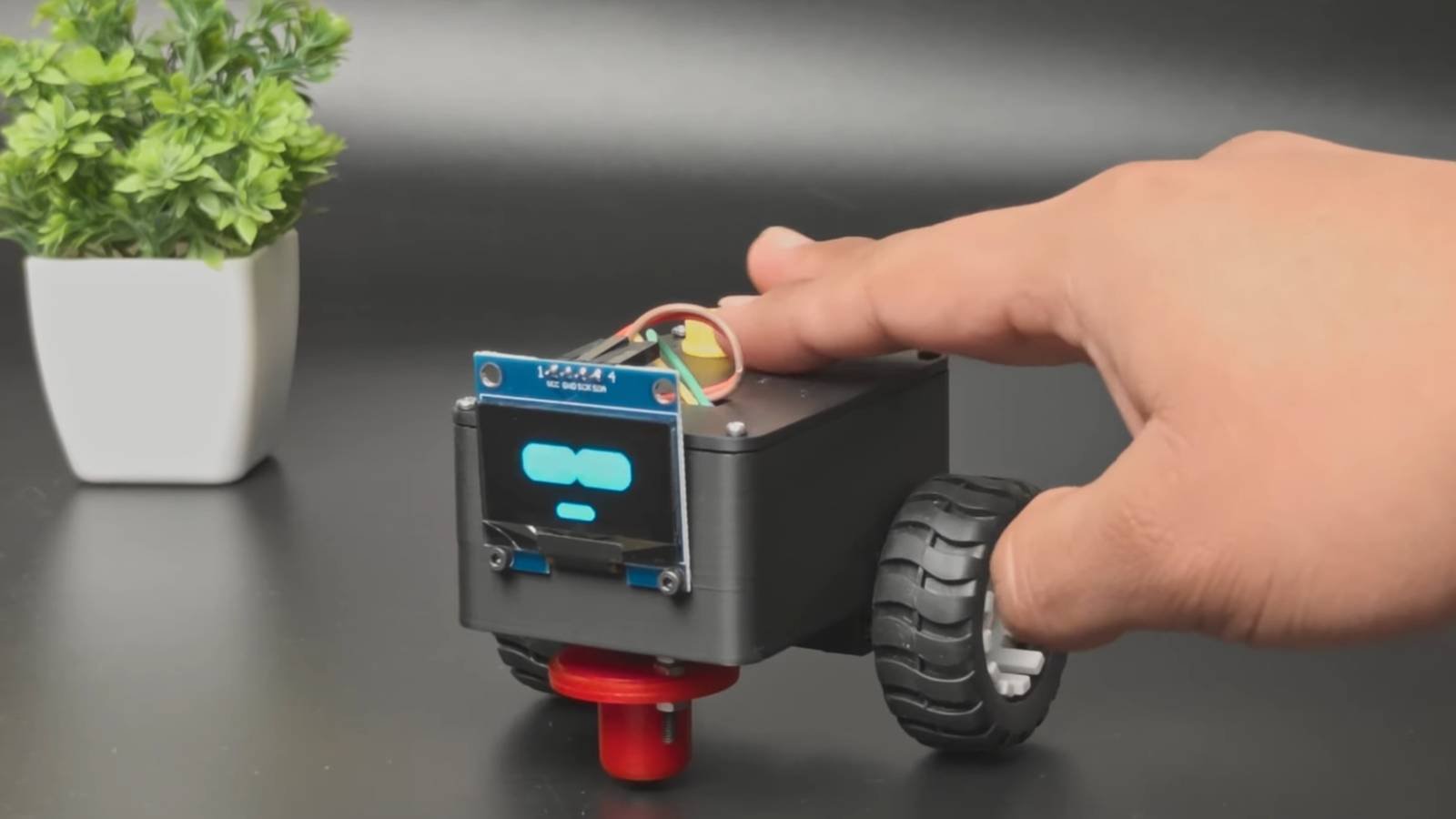
The ESP32 robot pet demonstrates how simple electronics can create surprisingly engaging interactions, proving that sometimes the most charming technology is the kind that just wants to be noticed.
Comments
Please log in or register to join the discussion